How to Use Fondant for Beginners
If you’ve ever admired those smooth, flawless cakes in bakeries or on Instagram, chances are they were covered in fondant. While it might look intimidating at first, learning how to use fondant is easier than you think—especially with the right guidance and quality products like Fondtastic Fondant.
In this beginner’s guide, we’ll walk you through everything you need to know to start decorating beautiful cakes with confidence.
What Is Fondant? (Beginner’s Guide to Fondant Basics)
Fondant is a smooth, pliable icing used to cover cakes and create decorative elements. Unlike buttercream, it gives cakes a clean, polished finish and is perfect for creating modern, professional-looking designs.
Fondant can be rolled out, shaped, molded, and even colored to suit any theme or occasion.
Why Use Fondant? Benefits for Beginners and Cake Decorating
Here’s why fondant is a favorite among cake decorators:
-
Creates a smooth, flawless finish
-
Great for detailed decorations and sculpting
-
Holds shape better than buttercream
-
Perfect for themed cakes and special occasions
Using a high-quality product like Fondtastic Fondant makes the process even easier, thanks to its smooth texture and flexibility.
Essential Fondant Tools for Beginners
Before you start, gather these basic tools:
-
Rolling pin (preferably non-stick)
-
Cornflour or icing sugar (to prevent sticking)
- Fondant modelling tools
How to Use Fondant: Step-by-Step Tutorial for Beginners
Step 1: Prepare Your Cake for Fondant (Smooth Base Guide)
Start with a well-leveled cake. Apply a thin layer of buttercream (called a crumb coat) in between the cake layers and around the cake to help the fondant stick.
Make sure the surface is smooth, any bumps will show through the fondant.
Then place the cake in the fidge to set.
Step 2: How to Knead Fondant Properly (Prevent Cracking)
Take your fondant and knead it until it becomes soft and pliable. This step is essential to prevent cracking.
If the fondant feels too stiff, warm it slightly with your hands.
Step 3: How to Roll Fondant Evenly (Beginner Tips)
Dust your surface lightly with cornflour or icing sugar and roll the fondant evenly.
Aim for about 2–4 mm thickness. Too thin and it may tear, too thick and it will look bulky.
Fondtastic Fondant can be rolled super thin so it's a better choice for beginner.
Step 4: How to Cover a Cake with Fondant (Smooth Finish)
Carefully lift the rolled fondant and drape it over your cake.
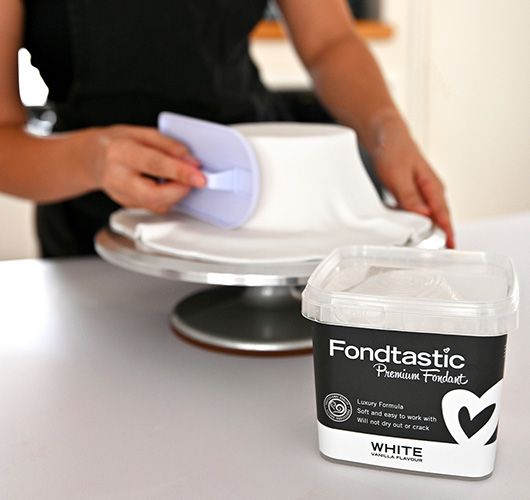
Use your hands and a cake smoother to gently press it down, starting from the top and working your way down the sides.
Step 5: Smooth and Trim Fondant Like a Pro
Smooth out any air bubbles using your hands or a smoother.
Trim the excess fondant at the base using a sharp knife or cutter.
Step 6: Easy Fondant Decorations for Beginners
Now comes the fun part! Use leftover fondant to create shapes, figures, or decorative accents.
Fondtastic Fondant is ideal for this because it’s easy to mold and holds its shape well.
Common Fondant Mistakes Beginners Should Avoid
Even beginners can get great results by avoiding these common mistakes:
-
Not kneading enough → leads to cracks
-
Skipping the crumb coat → fondant won’t stick properly
-
Using too much sugar/cornflour → dries out the fondant
Pro Fondant Tips for Beginners (Get Better Results Fast)
-
Work quickly to prevent drying
-
Keep fondant covered when not in use
-
Use a little shortening if it gets sticky
-
Practice on dummy cakes before real projects
How much Fondant do I need?
Not sure how much fondant you need? We’ve got you covered
Using the right amount of fondant makes a big difference, too little and you won’t get full coverage, too much and it can become thick and difficult to work with.